Introduction to Dream Pop: Lineage of Blurred Sonic Contours and 8 Essential Albums
Published
Trace the history and studio methodology of dream pop from 1988 to 2017 across 4AD, Rough Trade, Creation, Capitol, Sub Pop, and Polyvinyl through 8 essential albums including Cocteau Twins, A.R. Kane, Slowdive, Mazzy Star, Beach House, and Alvvays.
At the heart of dream pop is not merely a vague sense of atmosphere, but a deliberate studio methodology. Where traditional rock production sharpens guitar attacks and vocal consonants to cut through a mix, dream pop dissolves those hard edges with lush reverb, multi-tap delay, chorus, and tremolo—elevating sonic texture and harmonic shimmer to equal status with pop melody. While it overlaps closely with shoegaze, dream pop places its center of gravity on vocal contour and weightless harmonic suspension rather than overwhelming walls of distortion.
If you are choosing your very first album from this lineage, start with Cocteau Twins’ Heaven or Las Vegas (released September 17, 1990; running time 37:42). Its multi-layered arpeggiated guitars and Elizabeth Fraser’s soaring, glossolalic vocals balance ethereal studio craft with crystalline pop songwriting. Because dream pop intentionally blurs sonic contours with long reverb tails, listeners seeking dry, percussive guitar riffs or word-for-word lyric intelligibility may find its diffused mix less immediate. Below, we trace the history of the genre from 1988 to 2017 across 4AD, Rough Trade, Creation, Capitol, Sub Pop, and Polyvinyl through eight essential albums.
Lineage from 4AD and Rough Trade Origins to the 2010s Revival (1988–2017 Chronology)
Confusion over how dream pop differs from shoegaze—or where to begin listening—usually comes from treating them as unrelated genres. Historically, both share a common origin in the 1980s ethereal sound of UK label 4AD (led by Cocteau Twins and This Mortal Coil) and the late-1980s studio experiments of London duo A.R. Kane, whose member Alex Ayuli coined the term “dreampop” to describe their music. Tracing how that foundation branched into early-1990s British shoegaze-pop on 4AD and Creation, slow-tempo American psychedelia on Rough Trade and Capitol, and the 2010s North American revival on Sub Pop and Polyvinyl reveals a single continuous lineage.
Dream pop lineage map based on original album release dates, labels, and running times.
Arranging the key releases chronologically by studio and release date shows how the art of softening musical edges evolved across three decades. Comparing this trajectory with My Bloody Valentine’s exhaustive studio experimentation during the same era (see My Bloody Valentine’s Loveless: 19 Studios & Guitar Craft) highlights how dream pop prioritized melodic clarity and floating vocal space.
1988.On June 20, 1988, A.R. Kane’s debut album 69 (40:26) is released on Rough Trade, reaching number 1 on the UK Independent Albums Chart.
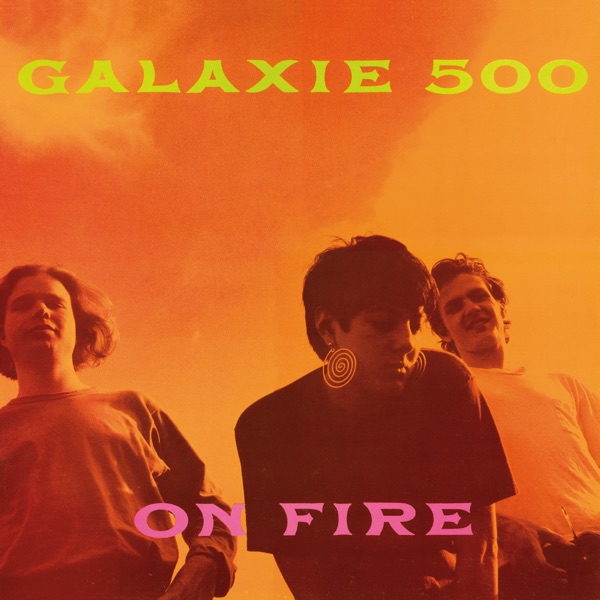
1989.Recorded at Noise New York with producer Mark Kramer, Galaxie 500’s On Fire (released October 23, 1989; 40:13) is issued by Rough Trade.
1990.Recorded at September Sound in London, Cocteau Twins’ Heaven or Las Vegas (released September 17, 1990; 37:42) is issued by 4AD and peaks at number 7 on the UK Albums Chart.
1992.Produced by Robin Guthrie at September Sound, Lush’s debut album Spooky (released January 27, 1992; 48:21) is released on 4AD.
1993.Slowdive’s Souvlaki (June 1, 1993; 40:26) on Creation and Mazzy Star’s So Tonight That I Might See (September 27, 1993; 51:36) on Capitol define the UK and US poles of the genre.
2010.Recorded in July 2009 at Dreamland Studios and DNA in New York, Beach House’s Teen Dream (released January 26, 2010; 48:40) debuts on Sub Pop.
2017.Recorded using both Pro Tools and a TASCAM 488 8-track cassette recorder, Alvvays’ Antisocialites (released September 8, 2017; 32:36) is released via Polyvinyl.
Era & Movement.
Sonic Techniques (Instrumentation, Effects & Studio).
Key Labels & Figures.
Essential Albums.
Phase 1: Origins & Foundation (1988–1990).
Dub spatial processing, feedback, multi-layered chorus guitars, slow tempos, and deep room reverb.
Rough Trade / 4AD. Alex Ayuli, Robin Guthrie, Elizabeth Fraser, Mark Kramer.
69 (40:26), On Fire (40:13), Heaven or Las Vegas (37:42).
Phase 2: UK & US Expansion (1992–1993).
Twin vocal harmonies, rhythmic multi-tap delay, ambient treatments, and acoustic/slide guitar decay with whispered vocals.
4AD / Creation / Capitol. Miki Berenyi, Neil Halstead, Rachel Goswell, Hope Sandoval, David Roback.
Spooky (48:21), Souvlaki (40:26), So Tonight That I Might See (51:36).
Phase 3: 2010s Redefinition (2010–2017).
Repeating organ and slide guitar arpeggios, and hybrid production combining 8-track cassette tape with Pro Tools.
Sub Pop / Bella Union / Polyvinyl. Victoria Legrand, Alex Scally, Chris Coady, Molly Rankin, Alec O’Hanley.
Teen Dream (48:40), Antisocialites (32:36).
The Birth of “Dreampop” and the Perfection of the 4AD Sound (1988–1990)
The term “dreampop” entered the musical lexicon in the late 1980s when Alex Ayuli of London duo A.R. Kane used it to describe their fusion of dub space, guitar noise, and pop melody. At the same time, Scottish trio Cocteau Twins perfected their multi-layered guitar and vocal textures on 4AD, while American trio Galaxie 500 demonstrated on Rough Trade how minimal instrumentation drenched in reverb could achieve a similar dreamlike suspension. Mapping how these artists connected across labels and studios follows the same structural approach as our Introduction to the Canterbury Scene: Family Tree, Lineage, and 8 Essential Albums.
A.R. Kane — 69 (June 1988): The Experimental Origin That Named the Genre
69 — A.R. Kane.SHOEGAZE / DREAM POP.
Recorded 1988 at H.ark Studio / Released June 20, 1988 on Rough Trade (Length 40:26).
Following their acclaimed Lollita and Up Home! EPs, duo Alex Ayuli and Rudy Tambala co-produced their debut album with Ray Shulman at H.ark Studio. Blending dub spatial echo, psychedelia, guitar noise, drum machines, and free-jazz inflections, 69 pioneered the exact style the duo named “dream pop.” It topped the UK Independent Albums Chart at number 1 upon release, earned high praise from critic Simon Reynolds in Melody Maker, and laid crucial groundwork for shoegaze, post-rock, and trip hop.
Galaxie 500 — On Fire (October 1989): Slow-Motion Reverb and Trio Space
On Fire — Galaxie 500.SHOEGAZE / DREAM POP.
Recorded 1989 at Noise New York / Released October 23, 1989 on Rough Trade (Length 40:13).
Recorded at Noise New York studio with producer Mark Kramer, the second studio album by American trio Galaxie 500—Dean Wareham (guitar, vocals), Damon Krukowski (drums), and Naomi Yang (bass)—sits between Today (1988) and This Is Our Music (1990). Rather than stacking dense pedal racks, the band filled the wide space between three instruments with cavernous reverb. Tracks like “Blue Thunder” and “Strange” unfold at a hypnotic, cloud-like crawl indebted to The Velvet Underground. Its 2010 reissue reached number 45 on the UK Independent Albums Chart and number 10 on the UK Independent Album Breakers Chart.
Cocteau Twins — Heaven or Las Vegas (September 1990): The Apex of Layered Guitar and Voice
Heaven or Las Vegas — Cocteau Twins.SHOEGAZE / DREAM POP.
Recorded at September Sound (London) / Released September 17, 1990 on 4AD (Length 37:42).
Following Blue Bell Knoll (1988), Scottish trio Cocteau Twins recorded their sixth studio album at their own September Sound studio in Twickenham, London. Built around Robin Guthrie’s shimmering chorus- and tremolo-treated guitars, Simon Raymonde’s melodic bass lines, and Elizabeth Fraser’s soaring vocals, the album paired their signature ethereal sound with their most accessible songwriting. Anchored by “Cherry-Coloured Funk” and lead single “Iceblink Luck” (released August 27, 1990), it peaked at number 7 on the UK Albums Chart and number 99 on the US Billboard 200, selling 235,000 copies by 1996.
Intersection with Shoegaze and West Coast Reverb (1992–1993)
In the early 1990s, Cocteau Twins’ production techniques passed directly to a new wave of British bands, generating dream pop classics right at the heart of the shoegaze explosion. Around the same time, Chapterhouse merged breakbeat rhythms with swirling guitar textures on Whirlpool (see Chapterhouse’s Whirlpool and 2027 Japan Tour Guide), illustrating how widely British bands varied their ratio of rhythm to reverb. Across the Atlantic, American bands took a quieter route, relying on acoustic strum and slide guitar decay rather than dense pedalboards.
Lush — Spooky (January 1992): Robin Guthrie’s Production Meets Twin Vocal Harmonies
Spooky — Lush.SHOEGAZE / DREAM POP.
Recorded July–October 1991 at September Sound / Released January 27, 1992 on 4AD (Length 48:21).
Following mini-album Scar (1989), compilation Gala (1990), and EP Black Spring (1991), English quartet Lush recorded their debut full-length album at September Sound in London with Cocteau Twins’ Robin Guthrie producing. Combining Miki Berenyi and Emma Anderson’s bright dual vocal harmonies with Guthrie’s cascading guitar treatments, Spooky reached the UK Albums Chart Top 10 and topped the UK national indie chart. In 2016, Pitchfork ranked it at number 27 on its list of “The 50 Best Shoegaze Albums of All Time.”
Slowdive — Souvlaki (June 1993): Rhythmic Delay and Ambient Architecture
Souvlaki — Slowdive.SHOEGAZE / DREAM POP.
Recorded 1992 at Protocol, Courtyard & The White House / Released June 1, 1993 on Creation (Length 40:26).
Recorded in 1992 across Protocol in London, Courtyard in Sutton Courtenay, and The White House in Weston-super-Mare, Slowdive’s second album on Creation bridges song-oriented dream pop and ambient experimentation. Alongside the interlocking delay guitars of “Alison” and “When the Sun Hits,” Brian Eno contributed keyboards and treatments on “Sing” and “Here She Comes,” while “Souvlaki Space Station” stretched dub-inflected guitar echo into outer space. Although it peaked at number 51 on the UK Albums Chart upon release, it is now universally recognized as a cornerstone of both dream pop and shoegaze.
Mazzy Star — So Tonight That I Might See (September 1993): Slide Guitar Decay and Whispered Intimacy
So Tonight That I Might See — Mazzy Star.SHOEGAZE / DREAM POP.
Released September 27, 1993 (UK) & October 5, 1993 (US) on Capitol (Length 51:36).
Following She Hangs Brightly (1990) and preceding Among My Swan (1996), guitarist/producer David Roback and vocalist Hope Sandoval released their second studio album on Capitol. Opening track “Fade into You”—built on gentle acoustic strumming, weeping slide guitar, tambourine, and Sandoval’s hushed vocal delivery—became the band’s signature song, peaking at number 44 on the US Billboard Hot 100 and number 48 on the UK Singles Chart. The album proved that dream pop could achieve deep hypnotic immersion through room decay and restraint alone.
2010s North American Redefinition and Hybrid Recording (2010–2017)
In the 2010s, North American bands brought dream pop back to the center of indie rock. Rather than simply replicating 1980s pedal chains, they paired warm analog textures—vintage organs and 8-track cassette decks—with modern studio clarity and indelible melodic hooks.
Beach House — Teen Dream (January 2010): Organ and Slide Guitar Open the 21st Century
Teen Dream — Beach House.SHOEGAZE / DREAM POP.
Recorded July 2009 at Dreamland & DNA / Released January 26, 2010 on Sub Pop & Bella Union (Length 48:40).
After touring behind Devotion (2008), Baltimore duo Victoria Legrand and Alex Scally spent nine months writing their third studio album before signing to Sub Pop (Bella Union in Europe) in 2009. Recorded in July 2009 with co-producer Chris Coady at Dreamland Studios (a converted church in Hurley, New York) and DNA in New York City, Teen Dream expanded their intimate organ-and-slide-guitar palette into widescreen stereo depth on tracks like “Zebra,” “Silver Soul,” and “Norway.” It debuted at number 43 on the US Billboard 200 with 13,000 first-week copies and went on to sell 137,000 copies.
Recorded at Kingsize Soundlabs, Tarbox Road & Union Sound / Released September 8, 2017 on Polyvinyl (Length 32:36).
Positioned between their self-titled debut Alvvays (2014) and Blue Rev (2022), the second studio album by Canadian band Alvvays was recorded across Kingsize Soundlabs in Los Angeles, Tarbox Road Studios in Cassadaga, New York, and Union Sound Studios in Toronto with producers Alec O’Hanley and John Congleton. According to frontwoman Molly Rankin, the sessions combined Pro Tools with a TASCAM 488 8-track cassette recorder. Tracks like “In Undertow” and “Dreams Tonite” wrap jangly guitars in a warm synth sheen and spacious reverb, distilling dream pop and indie pop into a tight 32 minutes and 36 seconds.
Recording studios, release dates, running times, label credits, and chart positions are based on original album credits and primary reference documentation (verified November 4, 2026).