The Soft-Pedal Sonic Beauty Pioneered by a Poet-Pianist
Released in 1978 by poet and pianist Harold Budd, The Pavilion of Dreams is a landmark of ambient music. Depressing the piano’s soft pedal to the limit so that the afterglow of each note trails smoothly through the air, Budd’s playing melts into quiet melodies for harp and saxophone—a luminous gem of ambient music that unfolds behind closed eyelids at the edge of sleep.
Reference: Music – Wikipedia
For a closer look at how Harold Budd’s soft-pedal piano technique shapes negative space and resonance across his catalog, see our site’s guide to essential ambient albums.
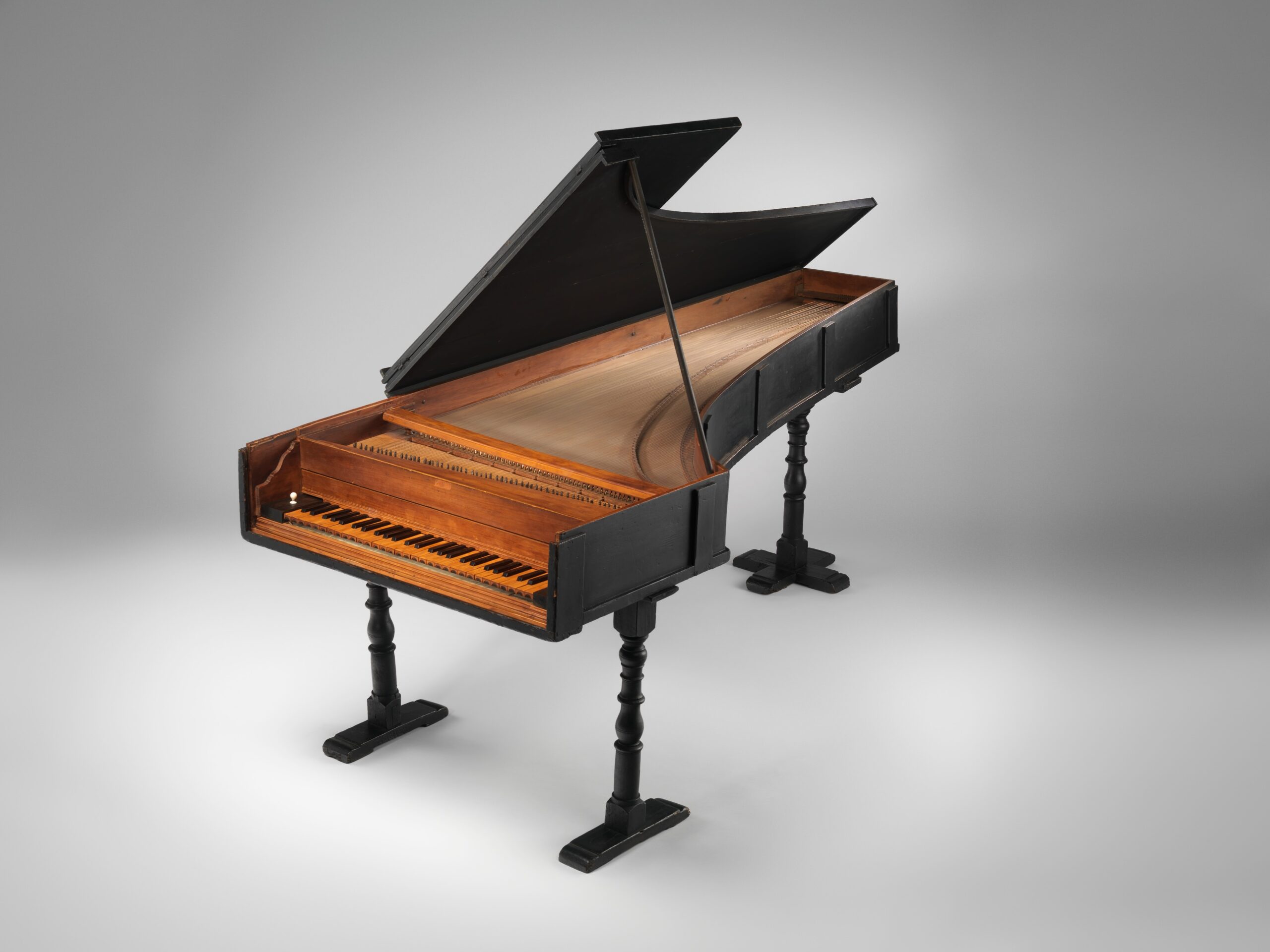
Deliberately avoiding percussive attacks on the keys and touching them gently with the soft pedal held down, Budd transformed the piano from a percussion instrument into a vapor-like generator of sound. Its timbre is as fragile and luminous as motes of light dissolving into mist. For listeners fatigued by the austerity of the post-war avant-garde, Budd’s approach restored a breathtaking lyricism to contemporary music. The long sustain rising from his piano seems to slow time itself, turning the process by which each note fills a room and fades into silence into an art form of its own.
Quiet Ripples and Decay Woven by Harp and Saxophone
From the opening piece, “Bismillahi ‘Rrahmani ‘Rrahim,” the ensemble of harp arpeggios and soprano saxophone spreads like ripples across still water, making the decay of sound itself the central protagonist.
When the unhurried melodic line of the saxophone and the graceful arpeggios of the harp float above the sustain of Budd’s piano, the listener is carried to the border between waking and slumber. Every trace of color and sensuality inside the sound itself is drawn out to the fullest. The ensemble contributions of Mario Del Monaco, Leslie Flint, and others also lend the work a stately depth. Rather than competing for attention, each instrument dissolves quietly into the resonant bath created by Budd’s piano, an acoustic richness that modern digital sound sources can never quite imitate. The very process of sound melting into air is a study in grace.
The Aesthetic Nurtured by Brian Eno and Obscure Records
Issued on Brian Eno’s Obscure Records label, this album introduced Budd’s piano aesthetic to the wider world, blending studio reverb and spatial acoustics into a seamless whole.
Eno’s production captured the spatial resonance of the studio in exquisite detail without ever dulling Budd’s poetic sensibility, initiating a partnership that would soon lead to historic collaborations such as The Plateaux of Mirror. Through the meeting of Eno and Budd, ambient music matured beyond simple background texture into a form of high artistic poise, documenting a rare convergence between studio engineering and a performer’s unvarnished touch.
Translucent Melodies and Deep Color Glowing in Half-Sleep
Budd’s touch on the keyboard remains unfailingly gentle, casting wordless lyricism into the room until listeners find long-forgotten landscapes from their own memory reflected inside the quiet music.
His melodies never force themselves forward, yet once heard they leave a translucent impression that lingers in the chest. Few records are better suited to dimming the lights and listening in the stillness of night. Functioning as a clear mirror for each listener’s private memories and emotions, the music asks only that you watch the particles of piano tone dissolve into the dark—an ideal companion for setting aside the rush of daily life and sinking quietly inward.
Catharsis Born of Poetic Texts and Painted Sound
Also a poet in his own right, Budd tucked quiet poetic imagery into the titles and conception of these pieces, so that words turn into tones and tones meet and vanish like watercolors bleeding softly across a canvas.
Rather than imposing dramatic climaxes or forced development, the music stays quietly beside the listener’s imagination and memory. Scooping up translucent grains of light from the bottom of silence, its sound has continued to inspire generations of contemporary ambient and post-classical pianists, including Nils Frahm and Goldmund, inviting listeners into a realm of pure feeling beyond words.
The Ultimate Presence of Ambient Piano in the Stillness of Night
Played late at night in a hushed room, the album creates the illusion that the air itself is turning a pale pearl hue as the lingering resonance from the speakers stretches time out at a leisurely pace.
Laying the foundation for the genre of ambient piano, Harold Budd’s soft-pedal resonance continues to light a clear lamp in the listener’s mind across the decades. Spend a quiet hour with this record to step away from everyday noise and return to your most unguarded inner stillness, where gentleness and depth coexist in every decaying chord.
Conclusion: A Supreme Experience of Stillness in the Pavilion of Dreams
Blending silence and melody with unmatched grace, The Pavilion of Dreams fills the late-night listener with deep calm and crystalline wonder.
Music made for leaving behind daily stress and returning to a quiet inner sanctuary, Harold Budd’s pavilion of dreams remains open whenever you press play. To hear Budd’s resonance from the vantage point of his collaborator, turn next to Brian Eno’s Apollo; to set it beside the Japanese aesthetic of negative space, explore Toru Takemitsu and Japanese Environmental Music. And for a work that builds a kindred stillness out of pulse and repetition, listen to Steve Reich’s Music for 18 Musicians.