On the Open2ch music board, a thread started by a jazz newcomer listening to Bill Evans’s signature album Waltz for Debby for the very first time has been drawing warm reactions. (Reference: Open2ch Music Board Thread) Widely hailed as a pinnacle of the piano trio format that blends classical harmonic sensibility with supple swing, the album continues to move first-time listeners with its profound stillness and a live recording presence so vivid it captures the clinking of cocktail glasses. Below, we quote the original thread posts in full, followed immediately after each post by editorial commentary that examines what unfolded on that single Sunday of June 25, 1961, and where to go after finishing this record, grounded in primary sources.
- Listen: Find on Spotify / Listen on Apple Music
1. 2ch Thread: Bill Evans’s “Waltz for Debby” Is Seriously Incredible
I’m completely new to jazz, so I picked up what looked like the most famous one, Bill Evans’s “Waltz for Debby,” and it blew me away. What is this gorgeous, gentle piano…?
[Editor’s Note] Just as Poster #1 says, this album is cited with remarkable frequency as an entry point to jazz. Waltz for Debby is a live recording left behind by the so-called “Golden Trio” of Bill Evans (piano), Scott LaFaro (bass), and Paul Motian (drums), released by Riverside Records in 1962. Yet the “gentleness” of this record is not mere easy-listening pleasantness. It is inseparable from the fact that the trio was lost forever just eleven days after this performance was taped. As we follow the thread responses below, let us explore why this recording continues to be passed down with such passion.
Welcome to the jazz rabbit hole. Evans’s Debby is the classic of classics, and it has a magic that never gets old no matter how many times you play it.
[Editor’s Note] Poster #2’s description of it as “the classic of classics” is no exaggeration. This album and its companion release, Sunday at the Village Vanguard, are among the very few recordings to have retained the highest rating across every edition of The Penguin Guide to Jazz published since 1992. Among critics as well, the consensus is firmly established that this was the finest trio Evans ever led, and its poised piano-trio expression is precisely what draws in newcomers across genres without ever making them stumble at the threshold.
- Listen: Find on Spotify / Listen on Apple Music
>>1
When you listen over speakers, have you noticed how you can occasionally hear customers in the back clinking glasses and murmuring? It was recorded live at the Village Vanguard, a famous jazz club in New York.
[Editor’s Note] As Poster #3 points out, this album was recorded live at the Village Vanguard, the historic jazz club still operating in Greenwich Village, New York. Its irregular wedge-shaped basement room, low ceiling, and close proximity to the audience create the club’s unmistakable closed ambiance. The clinking of glasses and quiet murmurs of conversation are not recording flaws, but the very presence of being there in the room. We examine the acoustics of the venue in detail in the next section.
Even with all that clinking room noise, it’s a miraculous live recording. Evans’s poised beauty and bassist LaFaro’s free-spirited movement lock together perfectly.
[Editor’s Note] What Poster #4 calls a “miraculous live recording” is no mere figure of speech. This performance took place on Sunday, June 25, 1961. Across that single day, the trio played two matinee sets and three evening sets–five sets in total–most of which were captured on tape by recording engineer Dave Jones. The reason Evans’s poised touch and LaFaro’s liberated pizzicato sound so vividly balanced in tension is that this Sunday marked a culmination for the trio. The full story is covered in the next chapter.
LaFaro’s bass really plays like it’s singing. Listening to it after learning he died suddenly in an accident just days after this recording makes it hit even harder.
[Editor’s Note] The accident “just days after” mentioned by Poster #5 is historical fact. Specifically, on July 6, 1961–just eleven days after this session–Scott LaFaro passed away in an automobile accident at the age of twenty-five. The singing bass lines etched into Waltz for Debby are among the very last performances he ever gave with this trio and in his life. How this fact shapes the listener’s experience is explored in detail in the second half of this article.
It truly is the aesthetics of a once-in-a-lifetime moment. It’s so quiet you can picture Evans playing with his eyes closed.
[Editor’s Note] Poster #6’s phrase, “the aesthetics of a once-in-a-lifetime moment,” hits the mark. Evans’s playing is often described as a synthesis of classical contrapuntal language and bebop-derived improvisation, painting drama through the shifting colors of harmony itself rather than relying on theatrical gestures or heavy accents. His habit of playing with his eyes closed was not a mere mannerism, but the outward expression of a performance philosophy focused on listening deeply to the resonance ringing within rather than projecting volume outward.
On the intro to “My Foolish Heart,” I literally hold my breath every time. That delicate thread of notes is irresistible.
[Editor’s Note] “My Foolish Heart,” singled out by Poster #7, was in fact performed during the first set of the day and is examined closely in our track-by-track review below. Even from these brief posts alone, you can see how naturally conversation gravitates toward the extraordinary nature of the day it was recorded. From here, let us trace what happened on June 25, 1961, on the basis of documented facts.
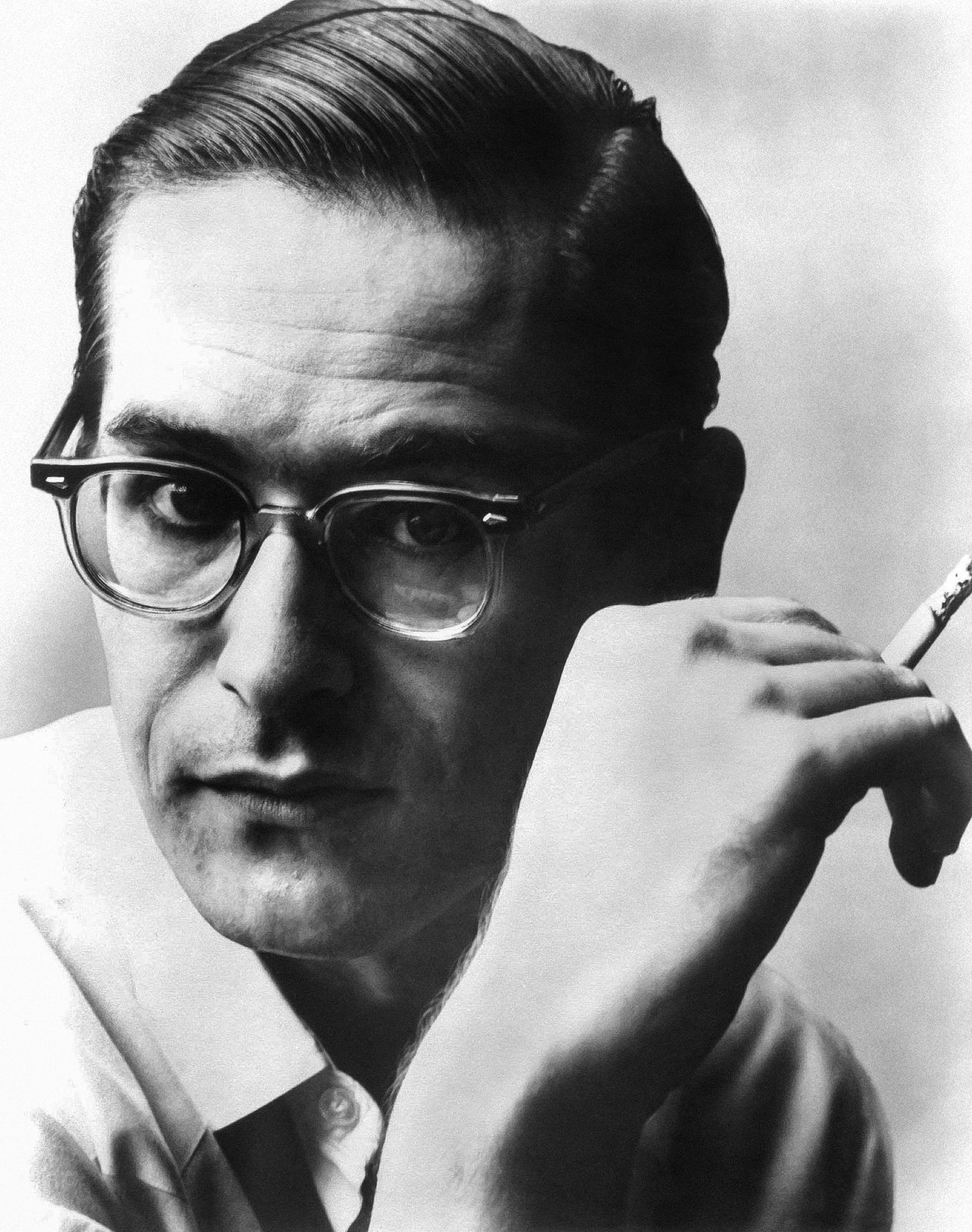
2. The Miracle of June 25, 1961 | The Acoustic Space of the Village Vanguard
Waltz for Debby and its companion album taped the same day, Sunday at the Village Vanguard, are live recordings capturing five matinee and evening sets performed on Sunday, June 25, 1961, at the storied Village Vanguard in Greenwich Village, New York. The room’s unusual wedge-shaped geometry, concrete walls, low ceiling, and tightly packed tables generated an unmistakable “raw, air-filled closed ambiance” unlike any studio on earth.
The recording approach taken by engineer Dave Jones also deserves special mention. Bringing portable stereo tape equipment–groundbreaking for location recording at the time–into the club’s cramped back room, he placed a handful of microphones on stage: a microphone positioned close to the piano, a microphone capturing the woody resonance of the double bass, and an overhead for the drums. Rather than eliminating room noise like a sterile studio date, his goal was to package “the exact sound reaching the ears of a listener seated at a table inside the club.”
As a result, alongside the intimate touch of the piano and bass, the clatter of knives and forks as patrons enjoyed dinner, the clink of ice melting in cocktail glasses, quiet murmurs of conversation and laughter, and even the occasional ring of the cash register were recorded in seamless synchronization with the music. Far from getting in the way, these ambient sounds act as a foil to the stillness, heightening the once-in-a-lifetime miracle of the performance and teleporting the listener straight to a table at the Village Vanguard in 1961.
Specifically, the day’s performances consisted of two afternoon matinee sets and three evening sets–five sets in all–with each set lasting roughly thirty minutes and comprising four to five tunes. Producing the session was Riverside Records co-founder Orrin Keepnews. Working in consultation with Evans, Keepnews selected the finest performances from the day’s tapes and divided them across two albums: Sunday at the Village Vanguard, sequenced to spotlight LaFaro’s eloquent soloing, and Waltz for Debby, sequenced to showcase the ensemble balance of the trio as a whole. The former opens and closes with LaFaro’s own compositions, “Gloria’s Step” and “Jade Visions,” reflecting Keepnews’s intention to shape that first volume as a tribute to the late bassist.
A single day’s worth of tape could not be contained within those original two LPs alone. Long after LaFaro’s death, additional unreleased performances from the session were issued on Milestone in 1984 as Bill Evans: More From the Vanguard, and in 2005 Riverside released the three-CD box set The Complete Village Vanguard Recordings, 1961, presenting virtually the entirety of all five sets. That definitive edition includes stage announcements, between-tune chatter, and even a few bars Evans improvised at the end of the night, allowing listeners to relive the atmosphere of the room in full. Incidentally, pursuing a diametrically opposite recording aesthetic in New York during the very same era was Blue Note Records (Related: 5 Essential Blue Note Albums | The RVG Sound and Aesthetics of Space in Jazz’s Golden Era). Where Rudy Van Gelder sculpted punchy, close-up sonic images inside a controlled studio, Riverside chose the exact opposite path: sealing the living air of a nightclub inside magnetic tape.
The historical value of the day’s recordings extends well beyond critical praise. In 2009, the United States Library of Congress inducted The Complete Village Vanguard Recordings, 1961 into the National Recording Registry as a work that is “culturally, historically, or aesthetically significant.” Critics likewise regard the two Vanguard albums from this Sunday, together with the studio album Explorations discussed below, as the most complete artistic statement left by the legendary trio–proof that more than half a century later, these recordings endure not as a passing trend, but as a permanent cultural treasure.
3. The Golden Trio | The Democratic Revolution Sparked by Three Musicians
This Bill Evans trio decisively transformed the concept of trio performance in jazz history. Prior to Evans, the jazz piano trio was built upon a clear hierarchy: the pianist was the protagonist playing the melody and primary improvisations, while the bass and drums served as accompanists keeping steady time and outlining chord roots. What Evans sought instead was a “tripartite interplay”–a democratic musical structure in which all three players listen to one another on completely equal footing and carry on a real-time three-way conversation.
Making this vision possible was the prodigiously gifted bassist Scott LaFaro. Lowering his bass string action as far as physically possible, LaFaro developed a fluid pizzicato technique that glided effortlessly across the fingerboard. Abandoning the traditional requirement of playing four-to-the-bar walking bass lines throughout, he wove real-time counter-melodies against the piano’s melodic lines, establishing the double bass as a front-line voice on par with a horn or guitar. Meanwhile, drummer Paul Motian moved away from merely marking a rigid beat, adopting a painterly approach that placed delicate brush strokes and shimmering cymbal legato colors into the open spaces of Evans and LaFaro’s dialogue. This equal conversation among three voices is the true source of the album’s breathtaking sense of space and intelligence.
Remarkably, across their entire lives, these three musicians entered a recording session together as a trio on only three occasions: a December 1959 studio session, a February 1961 studio session, and this live date on June 25, 1961. The reason their egalitarian structure of interplay continues to influence piano trios more than half a century later is that the sense of negative space Evans opened up resonated deeply with the modal jazz language that prioritizes harmonic resonance over rapid chord progressions (Related: Modal Jazz and the Aesthetics of Ma — The Stillness Freed from Chord Changes).
4. Track-by-Track In-Depth Review
Below is a detailed musical and acoustic breakdown of the six tracks on the original album.
1. My Foolish Heart (4:56)
Opening the album is one of the supreme ballad performances in jazz. Set within profound stillness, Evans’s piano states the theme with extraordinary tenderness yet taut inner tension. Rather than merely pedaling root notes in accompaniment, LaFaro’s bass places speaking single notes that breathe alongside the piano’s phrasing. Motian’s brushes caress the cymbals in a whisper, and you can sense the Village Vanguard audience falling completely silent to lean in and listen. The detail of each note decaying into the room air is captured with haunting beauty.
2. Waltz for Debby (Take 2) (6:54)
Composed by Bill Evans for his young niece Debby, this title track is the emotional centerpiece of the album. Evans had originally recorded the piece as a brief solo piano miniature on his 1956 debut leader album New Jazz Conceptions; the performance heard here represents its rebirth five years later in full trio form. Beginning as a charming waltz in 3/4 time, the arrangement transitions seamlessly in the middle choruses into a swinging 4/4 feel. Overlapping with Evans’s piano lines, LaFaro unleashes a melodic counter-solo high in the thumb position of the bass. The thrilling beauty of the moment where the bass sings like a human voice while Evans provides gentle, supportive comping beneath it is unmatched. As the final chord fades, the warm applause and murmur of the crowd deliver the unmistakable afterglow of a live club performance.
3. Detour Ahead (Take 2) (7:38)
Written by Lou Carter, Herb Ellis, and Johnny Frigo, this slow, meditative ballad showcases the trio pushing the art of subtraction to its limit, exploring where to place the next note inside the surrounding silence. LaFaro’s pizzicato–so sustained it almost recalls a bowed string–and Motian’s microscopic cymbal work support a nocturnal performance of rare delicacy.
4. My Romance (Take 1) (7:11)
Here the trio takes Richard Rodgers and Lorenz Hart’s 1935 standard at a buoyant, medium-up tempo. Speedy single-note lines spun by Evans’s right hand intersect exhilaratingly with LaFaro’s virtuosic pizzicato runs. The mix vividly captures how Motian’s drums drive the swing forward quietly yet with unyielding rhythmic momentum.
5. Some Other Time (5:02)
Composed by Leonard Bernstein with lyrics by Betty Comden and Adolph Green for the musical On the Town, this tune originally reflects on fleeting time and parting. Its wistful melody is gently unveiled through Evans’s crystalline touch, while LaFaro’s bass winds around the theme in contrapuntal dialogue. Within a brief span of just five minutes, the fragile beauty running through the entire album is distilled to its essence.
6. Milestones (6:30)
Composed by Miles Davis, this is one of the few briskly paced tracks on the record. On an album dominated by ballads and lyrical waltzes, its buoyant swing and LaFaro’s propulsive walking and broken-time lines stand out like a refreshing breeze. The lines spun by Evans’s right hand strip away excess ornament without losing a fraction of forward drive, proving that this trio was far more than a group that only played softly. Positioned as the closing track on the original LP, it brings the album to a close with a vivid contrast between stillness and motion.
5. The Untimely Death of Scott LaFaro and the End of the Trio
On July 6, 1961–just eleven days after this historic live recording at the Village Vanguard–bassist Scott LaFaro died in a car crash in upstate New York at the age of twenty-five. The sudden loss of his musical soulmate dealt a devastating blow to Bill Evans’s spirit. Plunged into deep grief and self-doubt, Evans barely touched the piano for months afterward.
When we listen to Waltz for Debby today, the wistful, ephemeral beauty hovering over the music may stem from our unconscious awareness of the fate shadowing this miraculous trio: a moment of incandescent brilliance followed almost immediately by permanent loss. The album stands as a testament to a three-way conversation left on earth that could never be repeated.
Originally, Riverside Records had planned to compile just a single LP from the June 25 recordings. However, LaFaro’s sudden death transformed the situation overnight; as the weight of these tapes as an irreplaceable dialogue grew clear, Keepnews and Evans compiled Waltz for Debby as a second volume. In later interviews, Evans expressed gratitude that the day’s music had been preserved on tape, while recalling how lost he felt trying to imagine how to continue music built around the intuition of such a specific partner. Evans did not return to leading a regular working trio until later in 1962, when he joined forces with Motian and new bassist Chuck Israels.
6. A Listening Guide for First-Timers and What to Hear Next
To experience the realistic soundstage of the Village Vanguard captured on this record, dim the lights in your room, close your eyes, and sit centered in front of your speakers. With proper speaker placement, the rich key-strike of Bill Evans’s piano positioned slightly left of center, the woody pizzicato body of Scott LaFaro’s bass emerging clearly to the right of center, and Paul Motian’s drums breathing crisply behind them will materialize before you as a three-dimensional stage. The occasional murmur of laughter and clink of glasses from the audience will transform your listening room into New York City on a Sunday in 1961.
What to Hear Next | “Portrait in Jazz” and “Explorations”
If you have only recently started listening to jazz and are unsure how to choose your first albums, begin with our introductory guide (Related: Jazz for Beginners: How to Choose Your First Album — How to Listen Matters More Than Best-Of Lists). Once you have savored Waltz for Debby, the natural next destination is the pair of studio albums left behind by the exact same trio: Portrait in Jazz (recorded December 28, 1959) and Explorations (recorded February 2, 1961).
Portrait in Jazz, Evans’s fifth album as a leader, was recorded in a single day at Reeves Sound Studios and marks his first studio date with LaFaro and Motian. Alongside beloved standards such as “Someday My Prince Will Come” and “What Is This Thing Called Love,” it features Evans’s original composition “Peri’s Scope” and a trio reimagining of “Blue in Green,” which had been recorded just months earlier on Miles Davis’s Kind of Blue. Because its repertoire centers on familiar standards, it is frequently chosen as the most approachable studio entry point to the Golden Trio.
By contrast, Explorations, recorded at Bell Sound Studios, is the trio’s final studio album. More than a year had elapsed since Portrait in Jazz, a period during which Evans struggled with health and personal hardships while LaFaro also performed with Ornette Coleman’s group. Though tension reportedly hung in the studio air at the start of the date, the music etched onto tape possesses a depth fully worthy of the title Explorations. Containing no Evans originals, the set lines up pieces such as “Haunted Heart,” “How Deep Is the Ocean,” and Miles Davis’s “Nardis,” featuring bold structural interpretations that delay the full statement of the melody until the closing moments. While there is no strict rule for listening order, moving from the approachable Portrait in Jazz to the deeper Explorations and then to the two Village Vanguard live albums allows you to hear firsthand how profoundly this trio evolved across just three recording dates.
Choosing Between Original Reissues and Complete Box Sets
Bill Evans’s Riverside catalog offers an abundance of reissue options. The first point to keep in mind is that the two original albums–Sunday at the Village Vanguard and Waltz for Debby–are already “best-of” selections curated by producer Orrin Keepnews and Evans himself. Those two albums alone capture the essential heart of that Sunday’s music. For listeners who wish to dive deeper, the three-CD set The Complete Village Vanguard Recordings, 1961 presents virtually all five sets in chronological order. However, even critics note that the alternate takes rarely surpass the master performances chosen for the original two LPs, making the curated original albums the most practical place to start.
There has also been major news on the studio side. In November 2025, Craft Recordings released Haunted Heart: The Legendary Riverside Studio Recordings, a 3-CD (or 5-LP vinyl) box set compiling the complete studio masters of Portrait in Jazz and Explorations alongside 26 alternate takes (including 17 previously unreleased tracks). With remastering by engineer Paul Blakemore and vinyl lacquers cut by Kevin Gray, it stands as the definitive edition of the trio’s studio work. (Release information verified as of July 2026.) In short, choose the curated original albums for your first listen, and reach for the complete box sets when you want to experience every last bar of the sessions.
Behind a single live album lie five sets of magnetic tape, a producer’s editorial judgment in shaping them into two records, and a three-way musical conversation lost forever just eleven days later. Just like the posters in the Open2ch thread, start by simply lending your ears to the music without overthinking it. Once you learn the story behind the notes, this quiet piano trio will resonate with you in a whole new way. The candid awe expressed by Poster #1–“it blew me away”–is surely not far from what someone seated at a table inside the Village Vanguard felt on that Sunday more than sixty years ago.
Further Reading
- Miles Davis Kind of Blue Analysis | The Silence Painted by Modal Jazz
- 3 Essential ECM Albums | “The Most Beautiful Sound Next to Silence” and Minimalist Space
Deep Dive: The Revolution of Interplay — How Bill Evans Transformed the Piano Trio
To newcomers who listen to Bill Evans’s music and feel soothed by its beauty, what longtime jazz fans want to convey one step further is just how radical a revolution he sparked in jazz history. In particular, the Riverside-era trio he formed with Scott LaFaro (bass) and Paul Motian (drums) overturned the conventional concept of the piano trio from the ground up.
Up to that point, the standard rule of a piano trio was for the piano to act as the star soloist playing the melody and improvisations while the bass and drums devoted themselves strictly to accompaniment and timekeeping. In Evans’s trio, however, while the piano states the melody, the bass weaves contrapuntal lines around it and the drums freely subdivide the rhythmic pulse to join the conversation. This method in which all three players improvise on equal terms came to be called “interplay,” and it remains an indispensable language in modern jazz today.
Obsession with Harmonic Voicing and the Influence of French Impressionism
Another defining hallmark of Evans’s piano style lies in his chord voicings. Having deeply studied classical music–particularly the harmonic language of French Impressionist composers such as Debussy and Ravel–he brought those colors into jazz chord progressions. Whereas traditional jazz pianists played the chord root in the left hand, Evans entrusted the root note to the bassist and made extensive use of “rootless voicings,” clustering the inner tension notes that determine the color of a chord in the middle register.
Through this approach, his instrument transcended the percussive nature of the piano to acquire a rich, orchestral palette of harmonic color like ripples spreading across water. Behind every note he spun lay a deep stillness, and his delicate touch–each tone melting into the surrounding room space–continues to serve as a model for pianists to this day.
References and Sources: Original Riverside Records liner notes (written by Orrin Keepnews for RLP 9376 Sunday at the Village Vanguard and RLP 9399 Waltz for Debby), Peter Pettinger, Bill Evans: How My Heart Sings (Yale University Press, 1998), and English Wikipedia articles “Waltz for Debby (1962 album)” and “Sunday at the Village Vanguard” (verification of June 25, 1961 session structure and track sequence / CC BY-SA 4.0).
By listening closely to the quiet space just before a musical contour fades away, you begin to notice subtle resonances that normally slip past unnoticed. Take your time and surrender to the lingering afterglow of the notes.