My Bloody Valentine’s Loveless is the band’s second studio album, recorded between February 1989 and 1991 across nineteen different studios. Its wall-like sound blending distorted guitar and sweet vocals set the standard for the genre that came to be called shoegaze, yet the famous legends surrounding its recording budget have since been corrected by the artist’s own testimony.
Primary source: My Bloody Valentine Official Website (accessed August 2, 2026). Full details on the production history are listed in the sources at the end of this article.
Two Years and Nineteen Studios: The Gap Between Legend and Firsthand Testimony
Recording began in February 1989 at Blackwing Studios in Southwark, London. Creation Records initially expected the sessions to wrap up in five days, but things took a very different course. The band moved from studio to studio, including The Elephant in Wapping, Woodcray in Berkshire, Protocol in Holloway, Britannia Row, and Eastcote, before completing the final mix at The Church in Crouch End, which reportedly became the nineteenth studio used on the project.
A widely repeated story claims that the album cost around 250,000 pounds and pushed Creation Records to the brink of bankruptcy. Interviewed by music magazine MAGNET for the album’s fifteenth anniversary, however, Kevin Shields flatly rejected that narrative.
“The idea that we spent all of Creation’s money and nearly bankrupted them is a 100 percent lie. By the time we finished making Loveless, Creation was a successful label with hit records.”
Source: MAGNET Staff, “My Bloody Valentine: Kevin Shields Sets The “Loveless” Record Straight (Testimony on the Studio Odyssey),” Magnet Magazine, February 11, 2007 (accessed August 2, 2026).
In the same interview, Shields explained that the total span spent attached to studios was a year and ten months, or about a year and four months once breaks for touring were excluded, and he told Rolling Stone that the actual production cost was 140,000 pounds. UK music outlet Far Out Magazine also notes that everyone involved denied the 250,000-pound figure originally reported by the music press in Melody Maker.
Source: Paulina Subia, “‘Loveless’: How My Bloody Valentine made a massively expensive masterpiece,” Far Out Magazine, June 25, 2026 (accessed August 2, 2026).
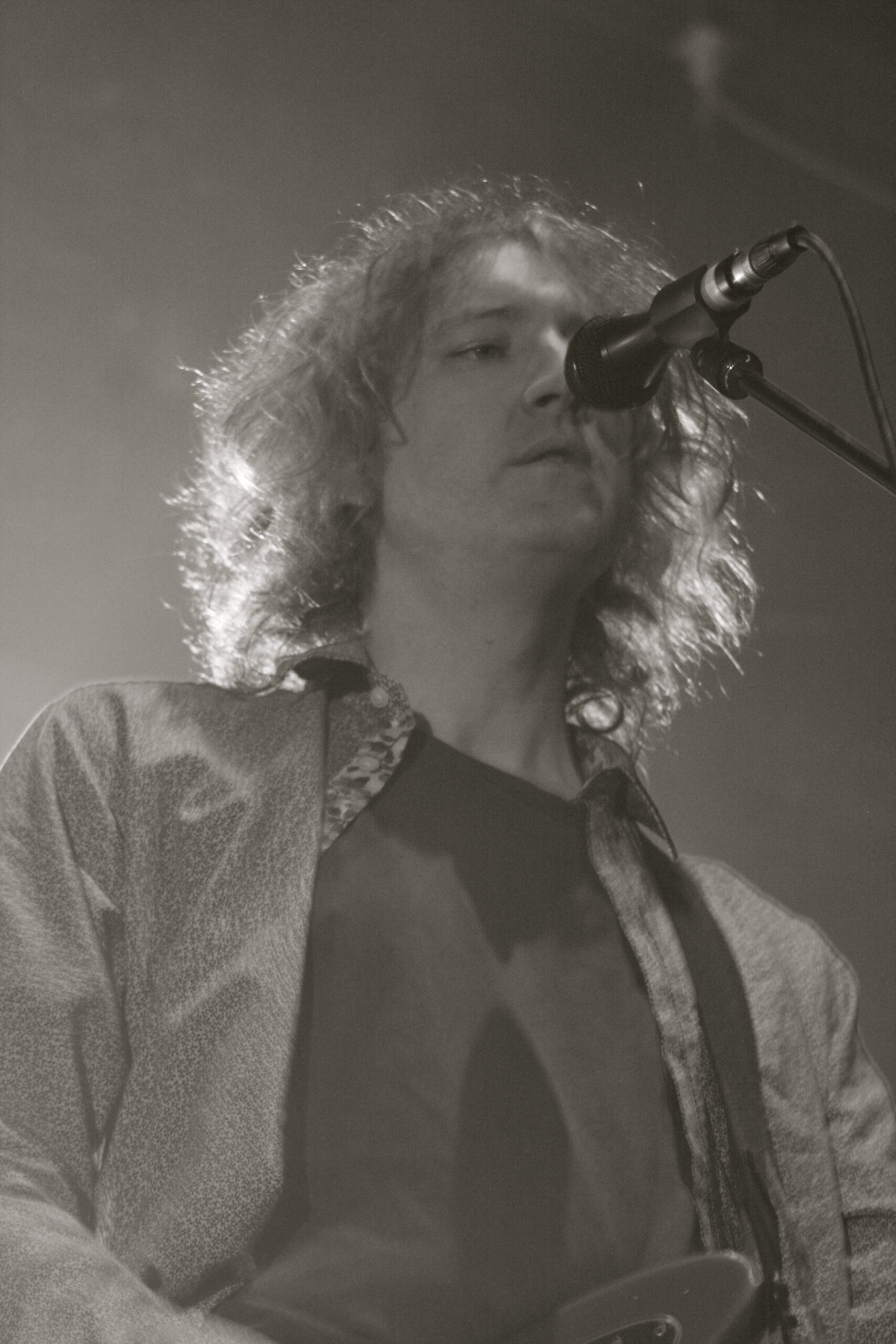
The Invention of Glide Guitar: A Wall Built from Pitch-Bending, Not Layering
The sound of Loveless is often described as a wall built by stacking dozens of guitar tracks on top of one another. Yet Shields himself has explained that most songs use only one or two guitar tracks.
“When you stack lots of guitars together, the effect thins out and the sound shrinks. The number of tracks on our record is about the same as on most bands’ demo tapes. No echo, no reverb, no chorus, no flanger, and no panning. Those were my personal taboos. The only effect I used was reverse reverb.”
Source: MAGNET Staff, “My Bloody Valentine: Kevin Shields Sets The “Loveless” Record Straight (Testimony on Tremolo Technique and Gear),” Magnet Magazine, February 11, 2007.
Rather than piling up overdubs, the “wall” came from strumming chords while holding the tremolo arm to bend pitch continuously, dissolving the hard edges of the chords themselves. Shields also revealed that Bilinda Butcher’s vocals, which sound like a hushed whisper in the mix, were actually sung at considerable volume. That paradox of controlled intensity hidden beneath a quiet surface echoes a theme this site returns to often.
Reception Upon Release and Later Reappraisal
Loveless was released in November 1991, peaking at number 24 on the UK Albums Chart and failing to chart in the United States. Shortly after its release, Creation Records reportedly parted ways with the band to avoid the risk of repeating such an exhausting production cycle. Although the record began as a modest commercial performer, its subsequent critical reappraisal proved decisive, and it remains the defining touchstone of shoegaze today.
Key Tracks to Hear
The album opener “Only Shallow” and the closing track “Soon” both represent the final form of those two years of trial and error. Originally recorded for the preceding Glider EP, “Soon” was also the piece that prompted the band to bring mix engineer Alan Moulder back into the fold for the main Loveless sessions. To hear how distortion and sweetness occupy the same space on this record, start with those two tracks.
Streaming links: Listen on Spotify / Listen on Apple Music
For a rock record from the exact same year of 1991 that arrived at stillness from the opposite direction, see The Stride Toward Silence: Talk Talk’s Journey into Post-Rock Across 3 Essential Albums. In the same year that My Bloody Valentine filled the frame with roaring guitar distortion, Talk Talk pared sound away to the bone, completing two opposite approaches to acoustic walls and negative space. Readers looking for more bands in the shoegaze lineage can visit Recommended Shoegaze Bands: A Classic Forum Thread That Still Holds Up Seven Years Later, and those interested in studio production stories can also read The Sound and Production Stories Behind Radiohead’s OK Computer.
Sources
- MAGNET Staff, “My Bloody Valentine: Kevin Shields Sets The “Loveless” Record Straight (Original 2007 Interview),” Magnet Magazine, February 11, 2007 (accessed August 2, 2026)
- Paulina Subia, “‘Loveless’: How My Bloody Valentine made a massively expensive masterpiece,” Far Out Magazine, June 25, 2026, https://faroutmagazine.co.uk/loveless-how-my-bloody-valentine-made-a-massively-expensive-masterpiece/ (accessed August 2, 2026)