Sonic Memories Nurtured in the Bedroom of a Teenage Richard D. James
A record of the beats and hushed electronic tones Richard D. James had been refining since his teenage years. Combining the warm, lo-fi texture of analog cassette tape with luminous ambient techno melodies, Selected Ambient Works 85-92 is a 1990s landmark and a foundational touchstone of electronic music made for quiet late-night listening in a darkened room.
Reference: Music – Wikipedia
For a broader look at the aesthetics of space and quietude in music, see our guide to essential ambient albums on this site.
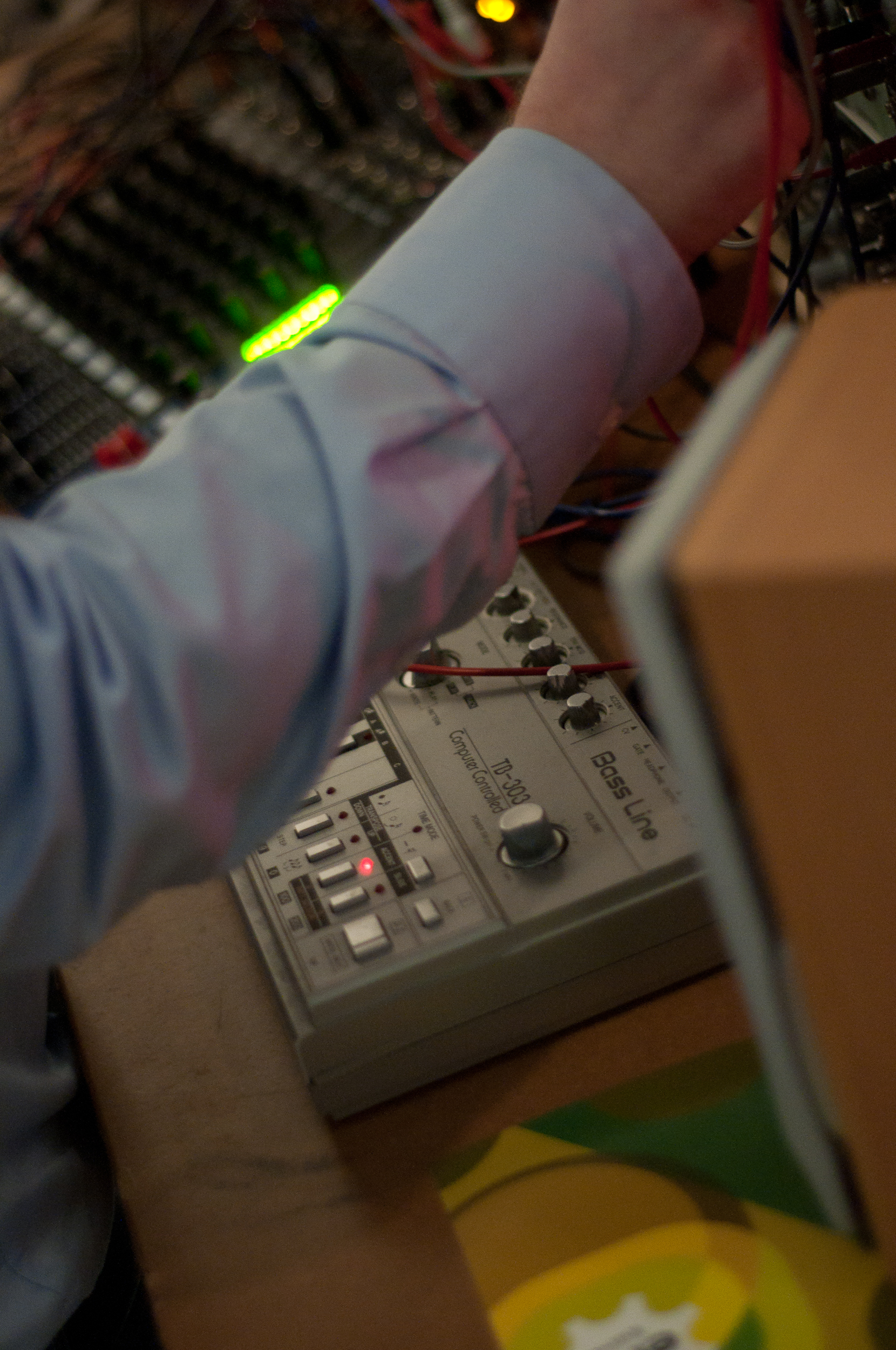
Recorded in a bedroom in rural Cornwall on synthesizers whose circuits he modified himself by hand, these tracks radiate both the fresh sensibility of a young prodigy and the quiet, windswept atmosphere of the British countryside. Refusing to settle for off-the-shelf gear, James picked up a soldering iron and rewired his instruments to produce timbres no one had ever heard before. That DIY spirit and solitary aesthetic pervade every corner of the album. Recorded onto cassette tapes stashed beneath a bedroom frame, these recordings rewrote the global vocabulary of electronic music, sending a pure creative impulse straight from a Cornwall bedroom out into the world.
The Nostalgic Lyricism of “Xtal” and “Pulsewidth”
The album opens with “Xtal,” pairing an ethereal sampled female vocal with a cushioned kick drum. Rising through a veil of tape hiss, its translucent melody carries the listener straight into a wave of nostalgia.
The gently swaying rhythm of “Xtal” and the celestial organ-like resonance of its synth pads leave an unforgettable afterglow, crystallizing the power of ambient music to stay close to the listener’s inner state. The nimble yet wistful beatcraft that follows on “Pulsewidth” and “Heliosphan” is equally remarkable. Stepping away from the sweat and volume of early-1990s dancefloors, this record gave birth to electronic music meant to be heard quietly in one’s own room. The contrast between melodies that seem to whisper at the ear and gritty lo-fi percussion fills the room with a strange, familiar longing.
Warmth Born from Cassette Distortion and Lo-Fi Texture
Recorded directly onto standard cassette tape using home-built gear and modified synthesizers, the album breathes with a lo-fi warmth and air that sterile digital production cannot replicate.
Subtle pitch drift from tape wear (wow and flutter) and constant background hiss function here as rich musical texture. Where clinical digital audio can feel cold, this organic warmth strikes straight to the chest. Even the physical wear and saturation on the master cassettes surface as an amber-like glaze preserving a nostalgic stretch of time. Behind the veil of tape noise, each grain of sound calls up half-forgotten childhood memories, turning noise itself into an essential part of the art.
The Dawn of Intelligent Dance Music (IDM)
A defining masterpiece that charted the course for Intelligent Dance Music (IDM): electronic music built not only for the club floor, but for headphones in a quiet room.
Rather than serving solely as functional fuel for loud club sound systems, Aphex Twin opened up a territory of electronic music designed for turning off the lights and sinking into deep solitary immersion. That shift vastly expanded what electronic music could be from the 1990s onward. As a central figure in Warp Records’ landmark Artificial Intelligence series, Richard D. James became the icon of “listening techno,” captivating audiences worldwide with electronic music made for thinking and drifting rather than just dancing.
Cornwall’s Solitary Landscape and Bedroom Recording
Far removed from urban club scenes, in the quiet countryside of Cornwall in southwest England, James spent endless hours alone with his custom-built synthesizers.
The feel of sea air and the stillness of rural nights seem sealed into the bottom of these tracks alongside the cassette hiss. Precisely because the music grew out of the private space of a bedroom, it establishes an immediate, unmistakable intimacy with the listener. Nurtured in isolation from city noise and commercial pressure, that unvarnished sensibility is the source of the magic that keeps Selected Ambient Works 85-92 from aging a day.
Lasting Influence on Modern Lo-Fi Hip-Hop and Ambient Music
The roots of the global wave of lo-fi hip-hop and bedroom pop can also be traced back to Selected Ambient Works 85-92 and its fusion of tape saturation with wistful melody.
As an antithesis to immaculate digital fidelity, Richard D. James demonstrated the beauty hidden inside rough, degraded textures, and his early work remains a bible for electronic listeners across generations. Whenever contemporary bedroom producers reach for cassette hiss and lo-fi warmth, they are drawing on the affective power of nostalgia that this record proved decades ago. Even heard today, its foresight and youthful urgency remain completely intact.
Conclusion: Electronic Ambient Music Resonating in a Darkened Room
Packed with the origins of Aphex Twin’s singular vision, Selected Ambient Works 85-92 rewards close listening in the quiet hours of the night.
An enduring peak of electronic ambient music, this record balances wistful lyricism and restless experimentation in equal measure. Put on a pair of headphones in a dark room and step into the quiet sonic universe Richard D. James built; the beats and melodies he left behind are always waiting in the stillness of late night. Its outlines come into even sharper focus when heard alongside its corroded sequel, Selected Ambient Works Volume II, and the mechanical pulse at its roots in Kraftwerk’s Computer World. And for the moment when electronic sound first dissolved into open landscape, turn to Brian Eno’s Apollo.